Skin safety
Is Black Henna Safe? Natural jagua and chemical PPD are not the same thing
Chemical black henna containing PPD is not safe to put on your skin, and we never use it. Natural jagua is a different product made from organic fruit, and it is the only black henna at Henna by SAbeauti in Dubai, starting from AED 210 for a small design.
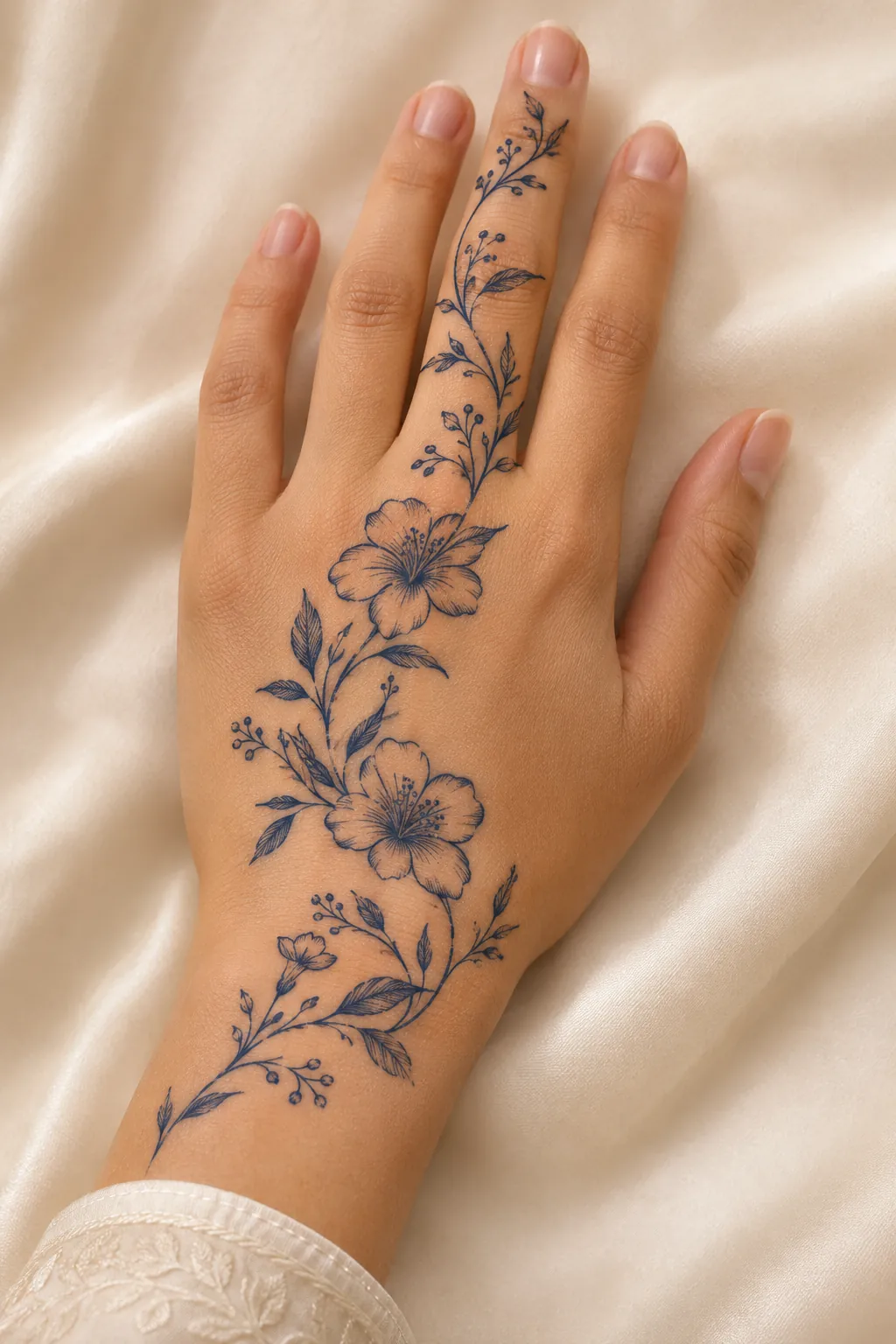
Why one name causes so much confusion
Real henna is a plant, and it only ever stains skin in shades of orange and brown. It cannot make black. So any design sold as black henna must contain something else, and that something decides whether it belongs on your skin.
There are two very different answers. One is a chemical hair dye ingredient mixed into a paste. The other is a natural fruit extract. They can look alike on a menu, which is why it is worth asking before anyone starts.
What PPD black henna is
PPD stands for para-phenylenediamine, a chemical used in dark hair dye. Some sellers add it to paste because it gives a fast, jet-black result. Hair dye is not designed to sit on your skin for hours, and this use can trigger skin reactions, including itching, redness, swelling and blisters.
A reaction does not always show straight away. It can appear days after the design goes on. PPD black henna is often offered as a cheap, quick option at markets, beach stalls and holiday resorts, so take extra care when you are travelling.
What natural jagua is
Jagua comes from the fruit of a tropical tree. The juice is made into a gel that stains the skin a soft blue-black, close to the look of a real tattoo. It lasts up to 2 weeks and has no chemicals.
Our jagua usually causes no allergy, but every skin is different. Tell your artist about any sensitivity and ask for a small patch test before a large design. You can see designs and prices on our jagua black henna page, where both hands up to the elbow start from AED 850.
How to spot the difference
You cannot always tell by looking, so use more than one clue and ask direct questions.
- Speed: PPD goes dark very fast. A jagua stain starts pale and develops over a day or so.
- Smell: a sharp chemical or hair dye smell is a warning sign.
- Answers: ask what it is made from. A vague reply means walk away.
- Promises: be wary of instant, jet-black results at a very low price.
- Labels: the word natural on its own proves nothing, so ask for the ingredient.
What to do if your skin reacts
If you get itching, redness, swelling or blisters after any henna design, see a doctor as soon as you can. Tell the doctor that you had black henna and that it may have contained PPD, and share the name of the place if you know it. Please do not try to treat it yourself.
Do not have another black henna design until you have spoken to your doctor, and ask whether you should avoid hair dye too. If the reaction follows a design from us, tell the team as well.
Extra care for children and pregnancy
Children should never be given chemical black henna. Children with G6PD deficiency should not have henna at all, and if you are pregnant, ask your doctor first. Our guide to henna for children has more for parents, and henna tattoo versus a real tattoo helps if you want the inked look without the commitment.
When you are ready, book your henna and add a note about any sensitivity. You can visit our Dubai salon or book an artist anywhere in the UAE.
Is all black henna dangerous?
No. The risk comes from chemical PPD. Natural jagua is a different product, though every skin is different, so a small patch test is still wise.
Does Henna by SAbeauti use PPD?
Never. Our only black henna is natural jagua made from organic fruit, and our brown henna cones have no colour developers.
How soon does a reaction show?
It can appear within hours or several days later. If you notice any change in your skin, see a doctor.
You may also like
Jagua black henna
Natural black henna made from organic fruit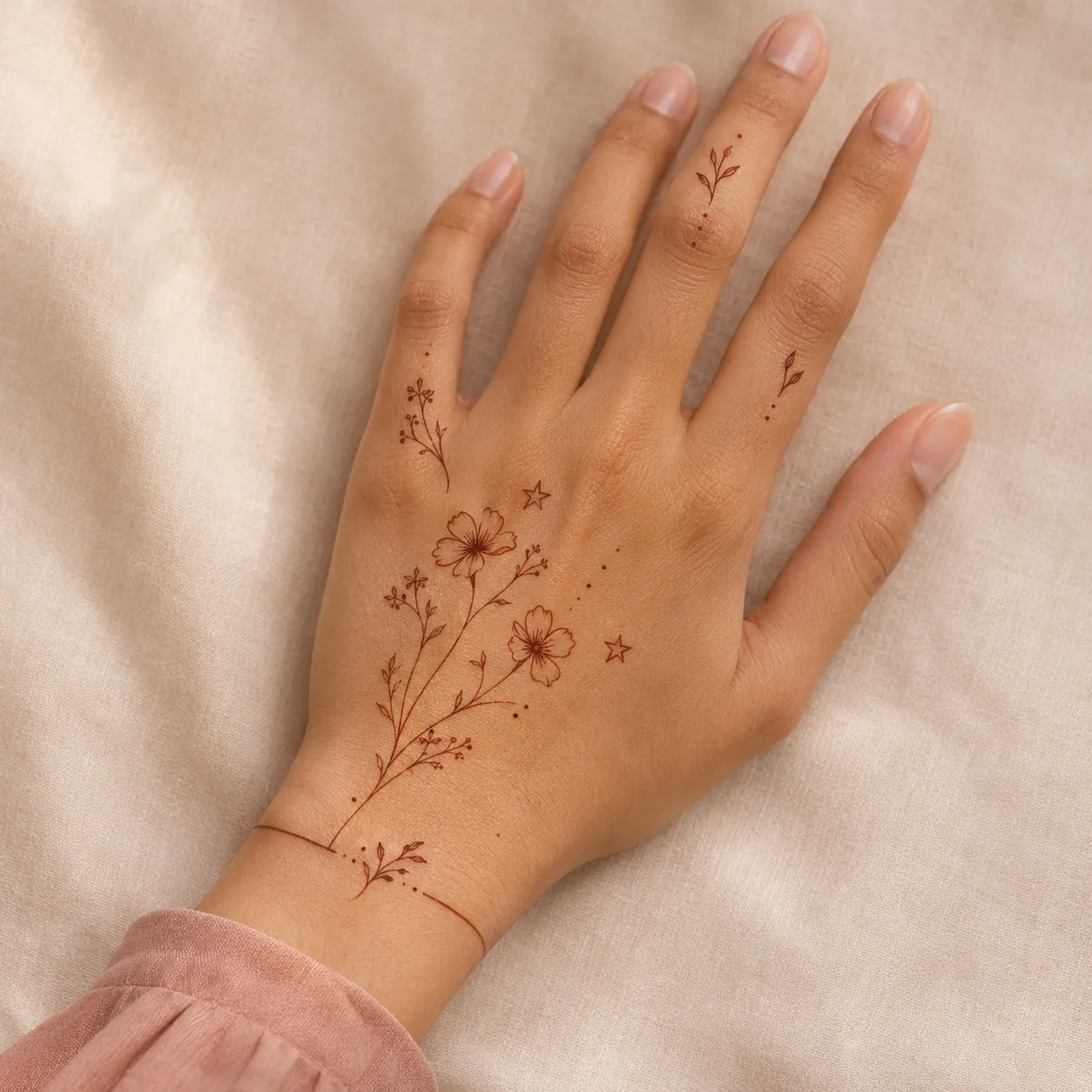
Henna or real tattoo
Temporary stain or permanent ink, compared simply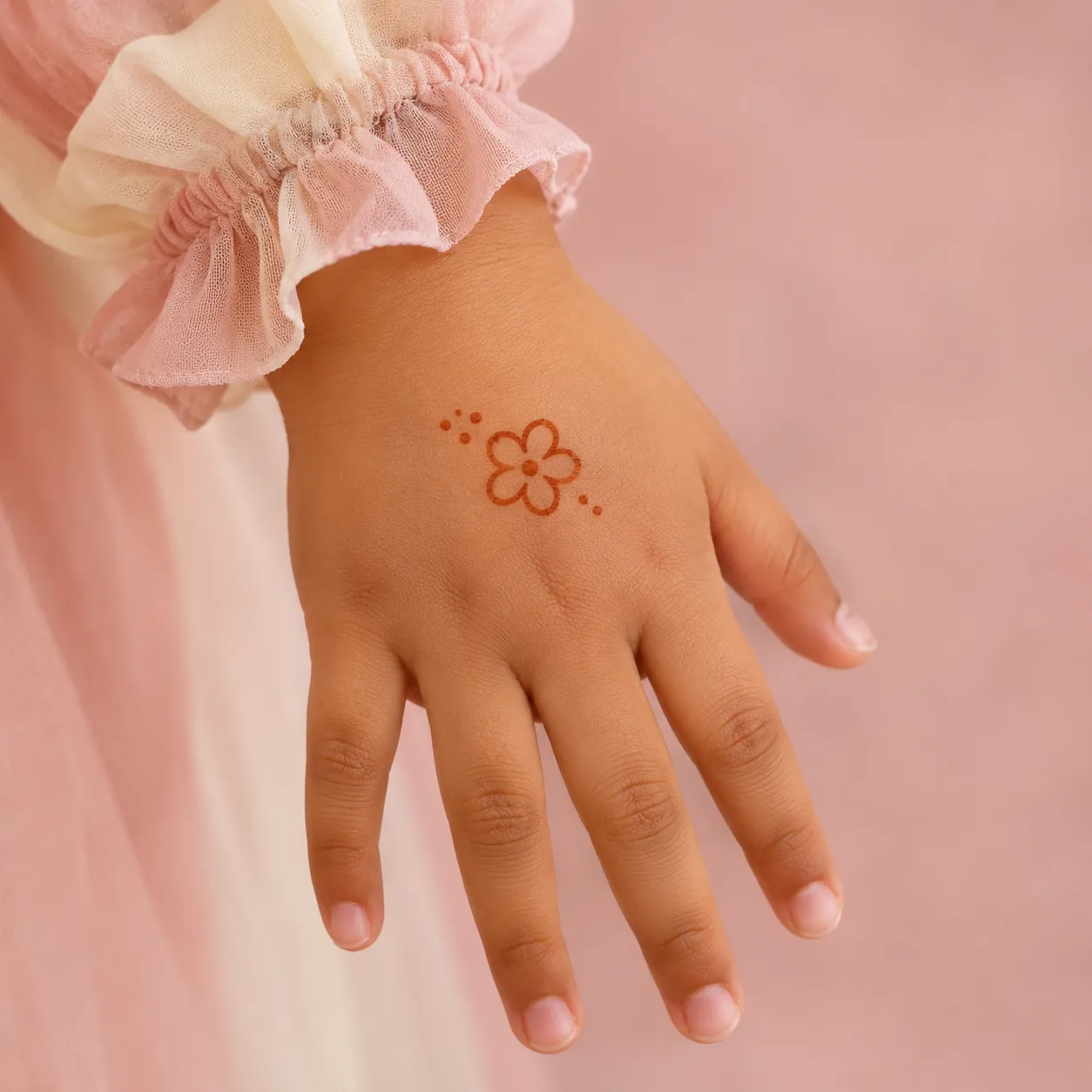
Henna safety for kids
What parents should check before a child's hennaGet in touch to book your henna design
Tell us your date and your design, and we will take care of the rest.